

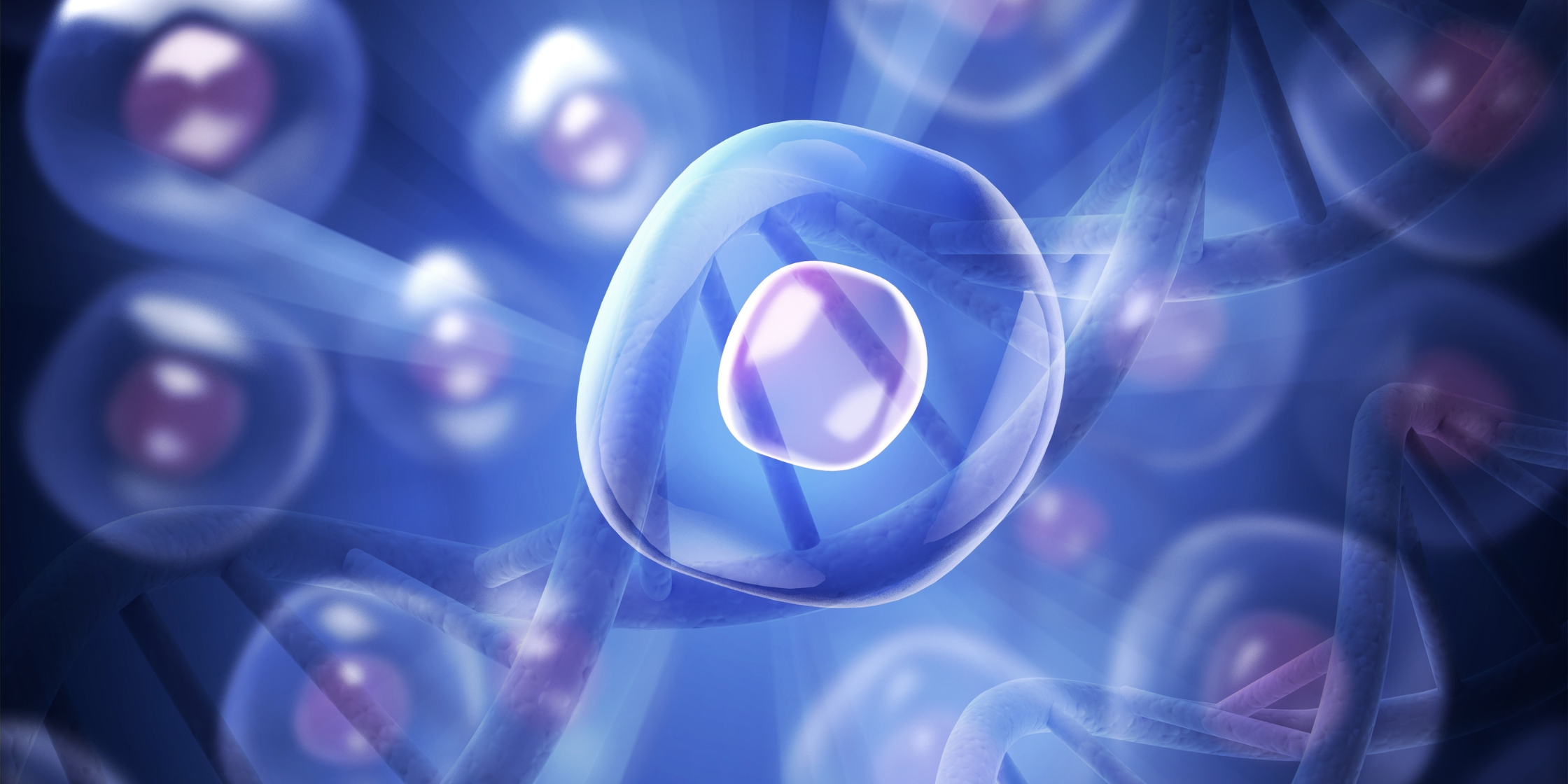
The human body possesses remarkable regenerative capabilities, often mediated by stem cells that repair, restore, and rejuvenate tissues. However, the natural mobilization of these stem cells can be limited, especially in cases of illness, injury, or aging. A new study from the University of Wisconsin-Madison has revealed exciting findings on how normobaric oxygen therapy (NBO) can enhance stem cell mobilization and cytokine modulation, offering a novel approach to healing and recovery.
The Science Behind Normobaric Oxygen Therapy
Normobaric oxygen therapy can deliver up to 100% oxygen at normal atmospheric pressure, creating a controlled environment to optimize oxygen delivery to cells. While hyperbaric oxygen therapy is already known to support stem cell mobilization, this study provides critical insights into the benefits of normobaric oxygen therapy as a safer, more accessible alternative.
The study, conducted by a team of researchers led by Dr. Kent J. MacLaughlin, explored how NBO influences stem cell activity and cytokine expression. These findings highlight a pivotal position for NBO on the low-dose stimulation phase of the hormetic dose curve, a concept describing how different levels of oxygen exposure can have varied biological effects.
Key Findings from the Study
- Stem Cell Mobilization
- Over a two-week period, 34–35-year-old healthy volunteers underwent 10 daily one-hour NBO sessions. The results demonstrated a significant mobilization of stem progenitor cells (SPCs), such as CD45dim/CD34+/CD133+ and CD45+/CD34+/CD133+ phenotypes.
- Interestingly, certain immature stem cell phenotypes (e.g., CD45-/CD34+/CD133+) were downregulated, suggesting a differentiation into more mature, functional phenotypes—a critical step in tissue repair and regeneration.
- Cytokine Modulation
- The study observed an upregulation of inflammatory cytokines such as macrophage migration inhibitory factor (MIF) and a proliferation-inducing ligand (APRIL). These cytokines play essential roles in signaling pathways that support tissue repair, immune response, and stem cell functionality.
- Durability of Effects
- Notably, the benefits of NBO were durable, with enhanced stem cell activity and cytokine modulation persisting for at least three days after the final exposure. This indicates that the therapy’s effects extend beyond the immediate treatment period, providing lasting benefits.
Implications for Recovery and Wellness
The findings from this study underscore the transformative potential of normobaric oxygen therapy in various contexts:
- Accelerated Healing: The mobilization of stem cells supports faster recovery from injuries, surgeries, and illnesses by promoting tissue repair and regeneration.
- Anti-Aging Benefits: Enhanced stem cell activity contributes to cellular rejuvenation, reducing the impacts of aging on skin, joints, and overall vitality.
- Improved Recovery for Athletes: By upregulating cytokines and enhancing oxygen delivery, NBO can help athletes recover faster from intense training or injuries, optimizing performance.
- Expanded Accessibility: Unlike hyperbaric therapy, normobaric therapy offers a safer and more convenient alternative without the risks associated with high-pressure environments.
What Sets Normobaric Therapy Apart?
This research solidifies normobaric therapy’s position as an effective and innovative treatment for supporting recovery and enhancing overall well-being. Its ability to naturally stimulate stem cell activity and modulate cytokines opens doors for applications in neurorehabilitation, chronic pain management, and anti-aging.
The findings also highlight its accessibility and ease of use, allowing individuals to reap the benefits of oxygen supplementation without the logistical challenges or costs associated with hyperbaric therapy.
Take the First Step Toward Better Health
Normobaric oxygen therapy represents a leap forward in non-invasive wellness treatments, leveraging the body’s natural healing capabilities to promote recovery, vitality, and longevity.
Are you ready to experience the power of oxygen therapy? Book your free consultation today and discover how normobaric therapy can transform your health journey.
Reference:
MacLaughlin, K. J., Barton, G. P., MacLaughlin, J. E., et al. (2024). Stem cell mobilization and cytokine modulation in humans by 100% oxygen; a new point on the hormetic dose curve. Frontiers in Cell and Developmental Biology. DOI: 10.3389/fcell.2024.1377203
YOUR HEALTH IS YOUR WEALTH
