

If you have ever flown on an airplane, driven through a large elevation change or gone underwater, you have probably felt your ears “pop.”
A similar sensation can happen when entering a pressurized chamber.
The reason is simple:
the pressure outside your ear is changing, while the pressure inside your middle ear needs time to catch up.
Your ears naturally have a system for balancing those pressures, and the popping or clicking sensation is often part of that equalization process.
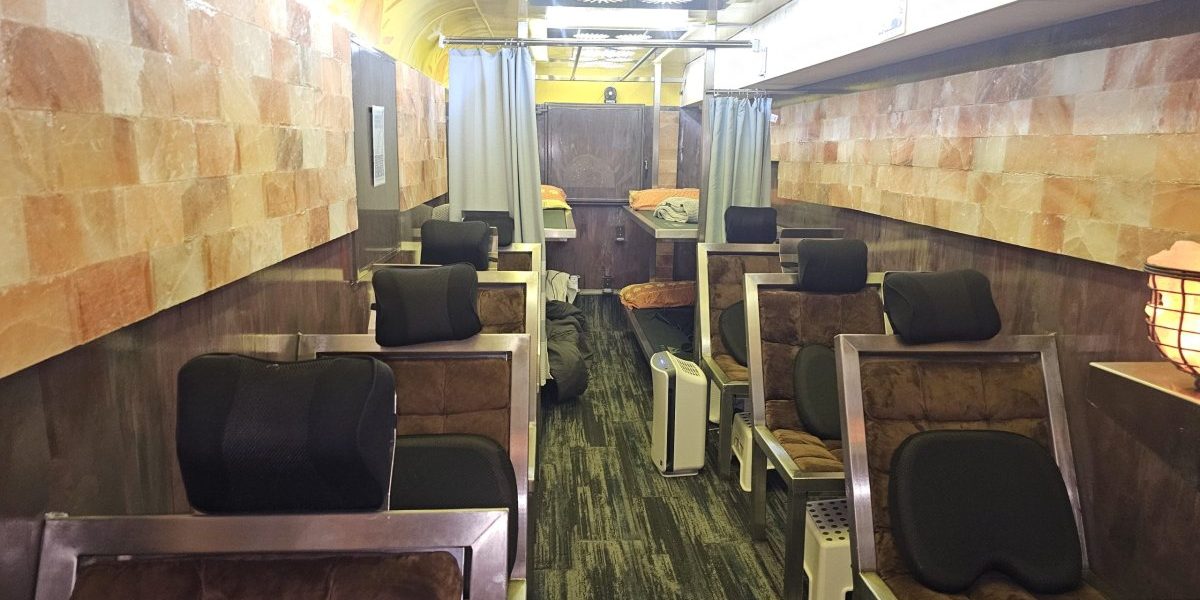
At Normobaric Wellness Centre in North York, guests enter our shared chamber through an airlock while the pressure transitions toward the chamber’s operating environment.
Why Does Pressure Affect Your Ears?
Your middle ear contains a small air-filled space behind the eardrum.
The pressure inside that space normally needs to remain relatively close to the pressure surrounding your body.
When outside pressure changes quickly, the pressure on the two sides of the eardrum can temporarily become uneven.
That imbalance can create sensations such as:
- fullness
- pressure
- muffled hearing
- popping
- clicking
Mayo Clinic explains that ear discomfort during pressure changes occurs when the air pressure in the middle ear and the surrounding environment are out of balance.
What Is the Eustachian Tube?
The Eustachian tube is a narrow passage connecting the middle ear to the back of the nose and throat.
Its job includes helping regulate pressure in the middle ear.
Most of the time, the Eustachian tubes remain closed.
Actions such as swallowing or yawning can temporarily open them, allowing air to move into or out of the middle ear and helping the pressure equalize.
That movement of air is often what creates the familiar pop or click sensation.
What Actually Causes the Pop?
The pop does not mean your ear is breaking or suddenly filling with air.
It usually reflects the pressure on the two sides of your eardrum becoming more balanced.
Divers Alert Network explains that swallowing can briefly open the Eustachian tubes and allow air to move between the throat and middle ear, producing the faint pop or click people often notice.
Why Does This Happen in a Pressurized Chamber?
Inside a pressurized chamber, the pressure surrounding your body gradually increases during the entry process.
That means the pressure outside your eardrum may temporarily become greater than the pressure inside the middle ear.
Your ears then need to equalize.
The process is similar in principle to what happens during:
- airplane descent
- scuba diving
- changes in altitude
The environments are different, but the pressure-balancing mechanism in the ear is the same.
What Does Ear Pressure Feel Like?
People describe the sensation differently.
You may notice:
- mild fullness
- pressure
- clicking
- popping
- slightly muffled sound
Some people barely notice the change.
Others are more sensitive to pressure transitions.
The sensation is often most noticeable while the surrounding pressure is actively changing.
Why Does Swallowing Help?
Swallowing activates muscles in the throat that can briefly open the Eustachian tubes.
That gives air a pathway between the throat and middle ear.
As pressure becomes more balanced, the feeling of fullness may decrease.
Mayo Clinic lists swallowing and yawning among common ways people naturally help equalize ear pressure during changes in altitude.
Why Does Yawning Help?
Yawning can also help open the Eustachian tubes.
You do not necessarily need to produce a full dramatic yawn.
Even moving the jaw or performing a gentle yawning motion may help some people equalize.
Divers Alert Network also lists yawning and jaw movement among techniques that can help open the Eustachian tubes.
Should You Wait Until Your Ears Hurt?
No.
It is generally better to respond to pressure sensations early rather than waiting until significant discomfort develops.
In pressure environments, problems can occur when the middle ear cannot equalize adequately with the surrounding pressure.
Guests should follow staff instructions during chamber pressurization and communicate if they are having difficulty equalizing.
What Happens If the Ear Does Not Equalize?
If pressure remains significantly different across the eardrum, discomfort can increase.
In more extreme pressure exposures, failure to equalize can cause middle-ear barotrauma, which is a pressure-related injury to the ear.
Divers Alert Network describes middle-ear barotrauma as an injury caused when pressure in the air-filled middle ear does not equalize with ambient pressure.
This is one reason controlled pressure transitions and communication with staff are important.
What Is Ear Barotrauma?
Ear barotrauma occurs when a pressure difference places too much stress on the structures of the ear.
Symptoms can range from mild pressure and discomfort to more serious pain or hearing problems.
Mayo Clinic notes that more severe pressure-related ear problems can include increased pain, hearing loss, ringing in the ear or other symptoms that warrant medical attention.
Is Ear Popping the Same as Ear Barotrauma?
No.
A normal pop or click during pressure equalization is not the same thing as an injury.
The pop often indicates that pressure is adjusting.
Barotrauma refers to tissue injury caused by a significant or unresolved pressure difference.
The key distinction is between normal equalization sensations and persistent or severe discomfort.
Why Can Some People Equalize More Easily Than Others?
People differ anatomically, and the Eustachian tubes may not function identically for everyone.
Equalization can also be more difficult when someone has:
- nasal congestion
- a cold
- allergies
- inflammation
- other conditions affecting the nose or Eustachian tubes
Divers Alert Network notes that congestion and other conditions affecting the upper airway can interfere with equalization.
If you are congested or have concerns about your ears, tell staff before entering a pressurized chamber.
What If You Have a Cold?
A cold can make ear pressure equalization more difficult because congestion may interfere with normal Eustachian tube function.
If you are sick, congested or having ear problems, it may be appropriate to postpone a pressurized chamber session.
If you are unsure, speak with an appropriate healthcare professional and let the centre know before your appointment.
What If You Have Allergies?
Seasonal or environmental allergies can sometimes cause swelling or congestion around the nose and upper airway.
That may make pressure equalization more difficult for some people.
Again, the important thing is to communicate before the session if you are experiencing unusual congestion or ear symptoms.
Does the Pressure Change Instantly?
No.
Pressurized chamber systems normally change pressure over a period of time rather than jumping instantly from normal room pressure to the chamber’s operating pressure.
This gives occupants time to adjust as the environment changes.
At Normobaric Wellness Centre, guests transition through an airlock before entering the main chamber.
Why Is an Airlock Used?
The airlock creates a controlled transition space between normal room conditions and the pressurized chamber environment.
Instead of opening the main chamber directly to outside atmospheric pressure, the airlock allows pressure conditions to change separately.
This helps maintain the main chamber environment while also allowing occupants to transition between different pressure conditions.
Does the Chamber Pressure Feel Like an Airplane?
For some people, the ear sensation may feel familiar because airplanes also involve changes in surrounding atmospheric pressure.
The actual pressure profile and environment are different.
But the basic reason your ears may pop is similar:
the pressure around you is changing and your middle ear needs to equalize.
Is It Similar to Diving?
The same basic ear-equalization mechanism also applies in diving.
Divers experience increasing surrounding pressure as they descend, which is why ear equalization is an important part of diving safety.
Divers Alert Network describes middle-ear equalization as balancing pressure in the air-filled middle ear with the pressure of the surrounding environment.
A chamber is obviously not underwater, but the underlying pressure physics affecting the ear are related.
Why Do You Sometimes Hear Multiple Pops?
Pressure does not always equalize in one single movement.
As the surrounding pressure changes, your Eustachian tubes may open several times.
That can produce multiple small pops or clicks during the transition.
Some people may barely notice them.
Others notice each change clearly.
Can One Ear Pop Before the Other?
Yes.
Each ear has its own Eustachian tube.
One side may equalize more easily or slightly faster than the other.
A temporary difference between ears can therefore happen during pressure changes.
Persistent pain, significant hearing changes or severe symptoms should not simply be ignored.
What Happens When Leaving the Chamber?
Pressure also changes when returning toward normal atmospheric conditions.
As surrounding pressure decreases, air inside the middle ear needs to escape so the pressure can remain balanced.
Divers Alert Network explains that during decreasing ambient pressure, excess middle-ear gas typically exits through the Eustachian tubes.
Some people may notice additional small pops during this stage.
Do You Need Special Training to Equalize Your Ears?
For most people, familiar actions such as swallowing, yawning or gently moving the jaw may happen naturally during pressure changes.
Staff should explain what to expect before the chamber begins changing pressure.
Guests should follow the facility’s instructions rather than experimenting with aggressive pressure-equalization techniques on their own.
Why Should You Avoid Forceful Equalization?
Trying to forcefully equalize against significant resistance can itself create problems.
Divers Alert Network warns that forceful equalization attempts may injure sensitive structures in the ear.
If your ears are not equalizing comfortably, communicate with staff rather than simply trying harder.
What Should First-Time Visitors Do?
If this is your first pressurized chamber session:
Arrive early
Give yourself time to check in without feeling rushed.
Listen to the instructions
Staff can explain what to expect during pressure changes.
Pay attention to your ears
Mild pressure or popping may occur during the transition.
Swallow or yawn naturally
These actions may help the Eustachian tubes open.
Communicate discomfort
Do not sit silently through significant pain.
What Happens After the Pressure Stabilizes?
Once the chamber reaches its operating environment and pressure stops changing significantly, many people notice that the ear-popping sensation settles down.
Most of the ear adjustment happens during the period when the surrounding pressure is changing.
Guests can then spend the remainder of the approximately two-hour session sitting or resting inside the chamber.
What Else Is Monitored Inside the Chamber?
At Normobaric Wellness Centre, the chamber system monitors several environmental conditions, including:
- pressure
- oxygen
- hydrogen
- carbon dioxide
- temperature
- humidity
The chamber therefore operates as a controlled multi-gas environment rather than simply a normal room.
Is Ear Popping Dangerous?
A mild pop associated with normal pressure equalization is generally different from pressure-related injury.
What matters is how the ear feels and whether it is equalizing properly.
Severe pain, persistent hearing changes, significant dizziness, fluid or blood from the ear, or symptoms that continue after pressure exposure warrant medical evaluation.
Frequently Asked Questions
Why do my ears pop in a pressure chamber?
Your ears pop because pressure inside your middle ear is adjusting to match changes in the pressure surrounding your body.
What causes the popping sound?
The sound can occur when the Eustachian tube opens and allows air to move into or out of the middle ear, helping equalize pressure.
Is ear popping normal during pressure changes?
Popping or clicking can occur during normal equalization as pressure changes.
Why does swallowing help?
Swallowing can temporarily open the Eustachian tubes, helping air move between the throat and middle ear.
Why does yawning help?
Yawning or moving the jaw can also help open the Eustachian tubes and assist pressure equalization.
What if my ears hurt?
Tell staff if pressure becomes painful or your ears are not equalizing comfortably. Significant pain should not simply be ignored.
Can congestion make equalization harder?
Yes. Colds, allergies and other causes of congestion may interfere with Eustachian tube function.
Will my ears pop when leaving the chamber too?
They may. Pressure needs to equalize again as the surrounding pressure returns toward normal conditions.
How long does the pressure adjustment take?
The exact timing depends on the chamber’s operating procedure. Most ear sensations occur while pressure is actively changing rather than throughout the entire session.
Where can I experience a pressurized chamber in Toronto?
Normobaric Wellness Centre operates a spacious shared chamber at 500 Champagne Drive in North York, Toronto.
Understanding the Pop
The popping sensation in your ears is one of the most noticeable parts of entering a pressurized environment, but the reason behind it is fairly straightforward.
Your middle ears contain air.
As surrounding pressure changes, that air pressure needs to adjust too.
The Eustachian tubes provide the pathway that allows that equalization to happen.
Swallowing, yawning and other natural movements can help open those tubes, which is why you may hear or feel a pop during the pressure transition.
At Normobaric Wellness Centre, guests enter through an airlock before settling into our approximately two-hour shared chamber session.
Eligible first-time visitors can experience a complimentary 2-hour introductory session at our North York location.
Related Articles
- Can You Fall Asleep During Normobaric Oxygen Therapy?
- Who Should Consider Normobaric Oxygen Therapy?
- Why Isn’t Normobaric Oxygen Therapy More Common in Canada?
- The Complete Beginner’s Guide to Normobaric Oxygen Therapy
- What Is a Normobaric Chamber? Everything You Need to Know
- https://oxygenoasis.co.uk/knowledge
