

Secondary keyphrases:phones in oxygen chamberoxygen chamber safetyoxygen enriched fire riskelectronics in hyperbaric chamberpressurized chamber safety
Why Are Phones and Electronics Restricted Inside Some Oxygen Chambers?
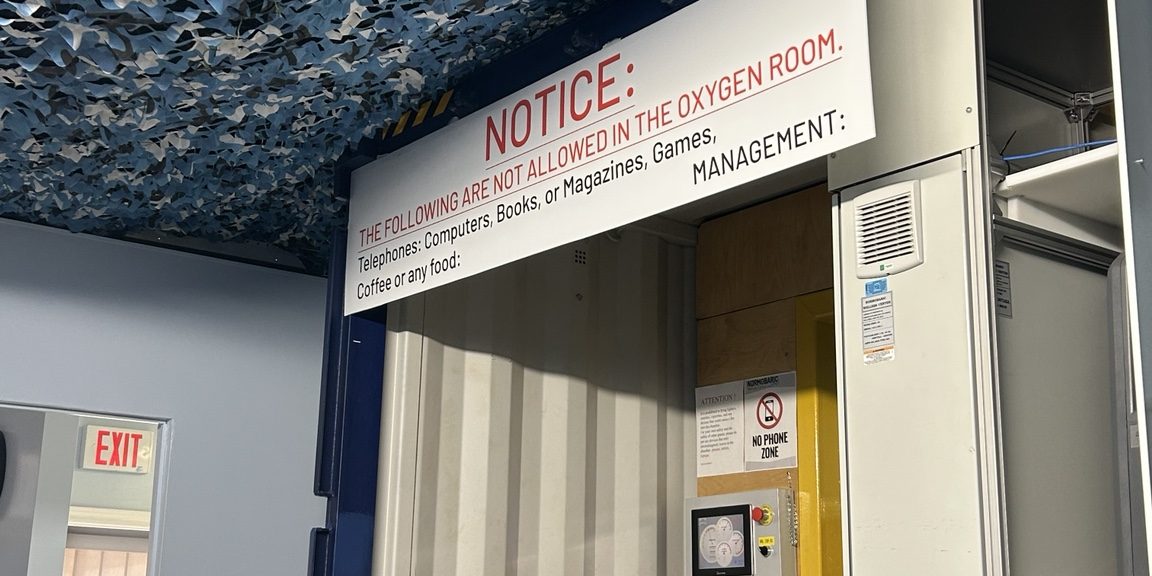
One of the first things visitors may notice before entering a specialized chamber is that certain everyday items cannot simply come inside with them.
That can include personal electronics such as phones, tablets or other battery-powered devices, depending on the chamber and facility rules.
At first, that can seem strange.
After all, your phone is perfectly safe sitting in your pocket almost everywhere else.
The difference is the environment around it.
In oxygen-enriched or pressurized chamber environments, items that would normally present very little risk can require additional consideration because electrical faults, sparks, heat and static electricity can become more important safety concerns.
The FDA specifically advises hyperbaric facilities to follow manufacturer instructions regarding potentially prohibited items, including electrical and static-producing devices.
Why Can Oxygen Change Fire Risk?
Oxygen itself is not a fuel.
It does not burn by itself.
However, oxygen supports combustion.
When oxygen concentration increases, materials can ignite more easily and fires can burn more intensely.
The FDA warns that high oxygen concentrations create a heightened fire risk in hyperbaric oxygen environments.
That is why oxygen-rich environments require much tighter control of possible:
- ignition sources
- electrical equipment
- static electricity
- combustible materials
- heat sources
The goal is not to suggest that every electronic device will suddenly catch fire.
The goal is to eliminate unnecessary sources of risk.
Why Can Electronics Be an Ignition Source?
Electronic devices contain components that may produce:
- electrical current
- heat
- sparks during a fault
- battery failures
- static discharge
Most modern electronics are extremely reliable under ordinary conditions.
But specialized chambers are not ordinary environments.
The FDA notes that electrical components and static electricity can potentially provide ignition sources in oxygen-enriched settings.
That is why an electronic device may need to be specifically evaluated before being approved for chamber use.
Why Isn’t a Normal Phone Automatically Chamber-Safe?
Consumer electronics are generally designed and tested for ordinary environments.
They are not necessarily engineered for use inside:
- elevated-pressure environments
- oxygen-enriched atmospheres
- specialized gas environments
- controlled hyperbaric facilities
A phone working normally in your house does not automatically mean it has been evaluated for operation under chamber conditions.
That distinction matters.
Can a Phone Battery Cause a Problem?
Modern phones typically use lithium-ion batteries.
These batteries power billions of devices safely every day.
However, a battery can become a source of heat if it is:
- physically damaged
- internally shorted
- defective
- overheating
- improperly charged
Inside an environment where fire safety needs to be tightly controlled, eliminating unnecessary battery-powered equipment can reduce the number of potential ignition sources.
Again, this does not mean a normal phone is likely to spontaneously ignite.
It means chamber safety is based on risk reduction, not waiting for something to fail.
What About Static Electricity?
Static electricity is another concern in specialized oxygen environments.
You have probably experienced static discharge when touching a metal object and feeling a small shock.
That small spark is normally harmless.
In an oxygen-enriched environment, however, fire-safety procedures may treat potential static sources much more seriously.
The FDA specifically warns that some clothing and fabrics can generate more static electricity than others and recommends following manufacturer-compatible clothing requirements.
Why Can Clothing Matter Too?
Electronics are not the only items evaluated.
Certain materials may generate more static electricity or behave differently in oxygen-rich environments.
The FDA specifically notes that fabrics such as wool and some synthetic materials may produce more static electricity than compatible materials such as cotton.
That is why some chamber facilities have specific clothing requirements.
It is part of the same overall safety approach:
control unnecessary ignition sources and combustible materials.
Is This Why Some Chambers Require Cotton Clothing?
Yes, in some hyperbaric environments.
Cotton is commonly preferred because it can present fewer static-related concerns than certain synthetic fabrics.
Exact clothing requirements depend on the chamber and manufacturer.
Guests should always follow the facility’s current instructions rather than assuming that rules from one chamber automatically apply to another.
Are All Electronics Banned From Every Chamber?
No.
That is an important distinction.
Different chamber designs have different rules.
Some equipment may be specifically:
- engineered for chamber use
- evaluated for pressure
- grounded
- approved by the manufacturer
- incorporated into the chamber itself
For example, communication and patient-monitoring equipment can be used in certain clinical hyperbaric settings when properly designed and approved.
The Undersea and Hyperbaric Medical Society notes that electrical components used inside monoplace hyperbaric environments should generally be equipment specifically designed and installed for the intended chamber application.
So the rule is not simply:
Electronics = bad.
It is closer to:
Unapproved electronics should not automatically be assumed safe inside a specialized chamber.
Who Decides What Can Enter a Chamber?
In properly managed hyperbaric facilities, items introduced into the chamber undergo safety evaluation.
UHMS describes a formal risk-assessment approach for items entering hyperbaric environments, with fire, mechanical and physiological hazards considered before approval.
The specific decision depends on:
- chamber design
- manufacturer instructions
- oxygen concentration
- operating pressure
- item construction
- electrical characteristics
- facility procedures
This is why one chamber may allow something another facility does not.
Why Can’t Facilities Just Test a Phone Once and Allow It Forever?
Because consumer electronics change constantly.
Different phone models may use different:
- batteries
- housings
- electrical systems
- charging components
- materials
Even two identical-looking devices may have different repair histories or battery conditions.
Rather than attempting to evaluate every personal electronic device brought through the door, many facilities use simple prohibited-item policies.
That is easier to enforce and can reduce unnecessary risk.
Does Pressure Affect Electronics Too?
Potentially.
Increased pressure and denser gas environments can affect equipment differently than ordinary room conditions.
UHMS notes that equipment placed into hyperbaric conditions can face issues including electrical, mechanical and performance-related hazards, which is why equipment should be risk-assessed before chamber use.
Consumer equipment is generally not designed with hyperbaric operation in mind.
Why Do Medical Chambers Have Electronics Then?
Because approved chamber equipment is different from bringing in your personal phone.
Purpose-built equipment can be designed around:
- electrical safety
- grounding
- chamber pressure
- fire risk
- communication requirements
Healthcare facilities also follow formal safety standards and manufacturer instructions.
The FDA currently recognizes NFPA 99, which contains requirements relevant to hyperbaric facilities, as a consensus standard for hyperbaric chamber medical devices.
Why Is Grounding Important?
Grounding helps control electrical and static-related risks.
The FDA specifically recommends ensuring that proper grounding equipment is used with hyperbaric oxygen devices.
The purpose is to prevent uncontrolled electrical energy or static discharge from creating an avoidable hazard.
Is the Main Danger the Pressure or the Oxygen?
It can be a combination of factors depending on the chamber.
Fire safety becomes particularly important when oxygen concentration is elevated.
Pressure can also affect how equipment operates.
That is why chamber safety evaluates the whole environment, not just one variable.
What About Smartwatches?
A smartwatch is still an electronic device.
It contains:
- a battery
- electronic circuits
- wireless components
- a display
Whether one is permitted depends on the facility and chamber procedures.
Guests should not assume that something is allowed simply because it is small or worn on the wrist.
What About Wireless Earbuds?
Wireless earbuds are also battery-powered electronic devices.
Again, the correct answer depends on the chamber’s operating procedures.
If a facility prohibits personal electronics, earbuds would generally fall into that category unless specifically approved.
What About Hearing Aids?
Medical devices require more individual consideration.
A hearing aid may be important for communication and accessibility, so decisions should follow manufacturer information and the facility’s safety assessment rather than a blanket assumption.
UHMS emphasizes that items introduced into hyperbaric environments should be individually evaluated when necessary.
Guests using medical or implanted devices should tell staff beforehand.
What About Pacemakers and Implanted Electronics?
Implanted medical devices are a separate issue from a personal phone.
They cannot simply be left in a locker.
Clinical hyperbaric facilities may need to confirm whether an implanted device is compatible with the intended pressure exposure.
UHMS specifically lists implanted electronic devices such as pacemakers among equipment that may require hyperbaric safety consideration.
Anyone with an implanted device should disclose it before participating in a pressurized chamber session.
Why Are Lighters and Open Flames an Obvious Problem?
Anything capable of creating an open flame is an obvious ignition source.
In any environment where oxygen levels or combustible conditions require additional fire controls, open flames are especially inappropriate.
The same basic principle explains why smoking, lighters and similar ignition sources are strictly controlled around oxygen systems.
Is Oxygen Flammable?
No.
This is worth repeating because it is commonly misunderstood.
Oxygen does not itself burn.
Instead, oxygen allows other materials to burn.
In higher oxygen concentrations, combustion can happen more readily and progress more rapidly.
That distinction is why fire prevention is so important.
Why Can Materials Burn Differently in Oxygen-Enriched Air?
Combustion depends on three basic elements:
fuel + oxygen + ignition source
This is often called the fire triangle.
Increase the available oxygen and the conditions for combustion change.
UHMS describes fire as one of the most significant hazards considered when assessing items for hyperbaric environments and specifically evaluates the combination of fuel, ignition source and oxygen exposure.
Does This Mean Chamber Sessions Are Unsafe?
No.
Specialized equipment can be operated safely when appropriate procedures are followed.
The reason facilities have restrictions is precisely to reduce preventable risks.
The FDA recommends:
- following manufacturer instructions
- using appropriate grounding
- training staff
- monitoring occupants
- completing maintenance
- restricting potentially prohibited items
as part of safe hyperbaric device operation.
Safety rules are not evidence that an accident is expected.
They are designed to prevent one.
Why Should Guests Follow the Rules Even If They Seem Overly Cautious?
Because guests do not necessarily know how every item behaves in a specialized chamber.
Something that appears completely harmless can contain:
- batteries
- oils
- flammable materials
- synthetic components
- electrical circuits
It is much safer to allow staff and the chamber manufacturer’s instructions to determine what belongs inside.
What Should You Do With Your Phone Before a Session?
Follow the facility’s instructions.
If personal electronics are not permitted, leave them in the designated safe area before chamber entry.
That also has one accidental wellness benefit:
for a couple of hours, nobody can send you another notification 😂.
Can You Take Photos Inside the Chamber?
Only if the facility specifically permits the equipment being used.
Do not assume you can bring a phone or camera inside simply because you want photos.
Ask staff first.
There may be safer opportunities to photograph the chamber before or after operation.
Why Might Rules Differ Between Monoplace and Multiplace Chambers?
Chamber configuration matters.
A conventional clinical monoplace chamber may have a very different internal atmosphere from a multiplace chamber.
For example, clinical monoplace HBOT commonly involves a high-oxygen chamber atmosphere, while traditional multiplace medical chambers often use compressed air with patients receiving oxygen separately.
Because those environments differ, the equipment and material restrictions may also differ.
Where Does Normobaric Wellness Centre Fit?
Normobaric Wellness Centre operates a shared pressurized multi-gas chamber environment rather than a conventional single-person medical HBOT chamber.
Our system monitors:
- oxygen
- hydrogen
- carbon dioxide
- pressure
- temperature
- humidity
Because chamber designs and gas environments differ, guests should follow our facility’s specific operating rules rather than assuming rules from another hyperbaric or oxygen facility automatically apply.
What Should First-Time Visitors Know?
Before entering a chamber:
Follow the prohibited-item instructions
Do not bring something inside simply because it seems harmless.
Tell staff about medical devices
Implanted or necessary electronic devices may require additional consideration.
Wear appropriate clothing
Follow whatever material requirements the facility provides.
Arrive early
This gives you time to prepare without rushing.
Ask before bringing anything unusual
When in doubt, ask.
It is easier to check beforehand than once the chamber cycle has started.
Frequently Asked Questions
Why can’t you bring a phone into some oxygen chambers?
Personal phones contain batteries and electrical components that have generally not been evaluated for use inside specialized oxygen-enriched or pressurized chamber environments.
Can electronics cause fires around oxygen?
Electrical faults or static discharge can act as ignition sources, while increased oxygen concentrations can make combustion more intense.
Is oxygen itself flammable?
No. Oxygen does not burn, but it supports combustion.
Are all electronics prohibited?
No. Purpose-built or properly evaluated equipment may be approved for specific chamber environments.
Can I wear a smartwatch?
That depends on the facility’s procedures. A smartwatch is still a battery-powered electronic device and should not be assumed safe without approval.
Why are synthetic clothes sometimes restricted?
Some synthetic fabrics can generate more static electricity than materials such as cotton, which can be relevant in oxygen-rich environments.
Can I bring wireless headphones?
Only if the chamber facility specifically permits them.
What if I need an electronic medical device?
Tell the facility before the session. Necessary medical or implanted devices may require an individual compatibility and safety assessment.
Why are chamber rules different between facilities?
Different chambers operate at different pressures, gas concentrations and configurations, so manufacturer requirements and safety procedures can differ.
Are phones restricted because they interfere with the chamber?
Fire and electrical safety are major considerations, though individual chamber manufacturers may have additional reasons for restricting devices.
Chamber Rules Exist for a Reason
Leaving your phone outside a chamber may seem inconvenient.
But specialized chamber safety is built around reducing avoidable risks.
Oxygen concentration, pressure, electrical equipment, static electricity and material compatibility all need to be considered when deciding what belongs inside.
That is why the best rule is simple:
if staff have not approved an item, do not bring it into the chamber.
At Normobaric Wellness Centre, guests should follow the current chamber instructions provided before each session.
Eligible first-time guests can experience a complimentary 2-hour introductory session at our North York location.
Related Articles
- Can You Fall Asleep During Normobaric Oxygen Therapy?
- Who Should Consider Normobaric Oxygen Therapy?
- Why Isn’t Normobaric Oxygen Therapy More Common in Canada?
- The Complete Beginner’s Guide to Normobaric Oxygen Therapy
- What Is a Normobaric Chamber? Everything You Need to Know
- https://oxygenoasis.co.uk/knowledge
